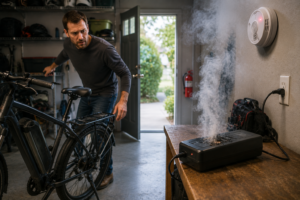
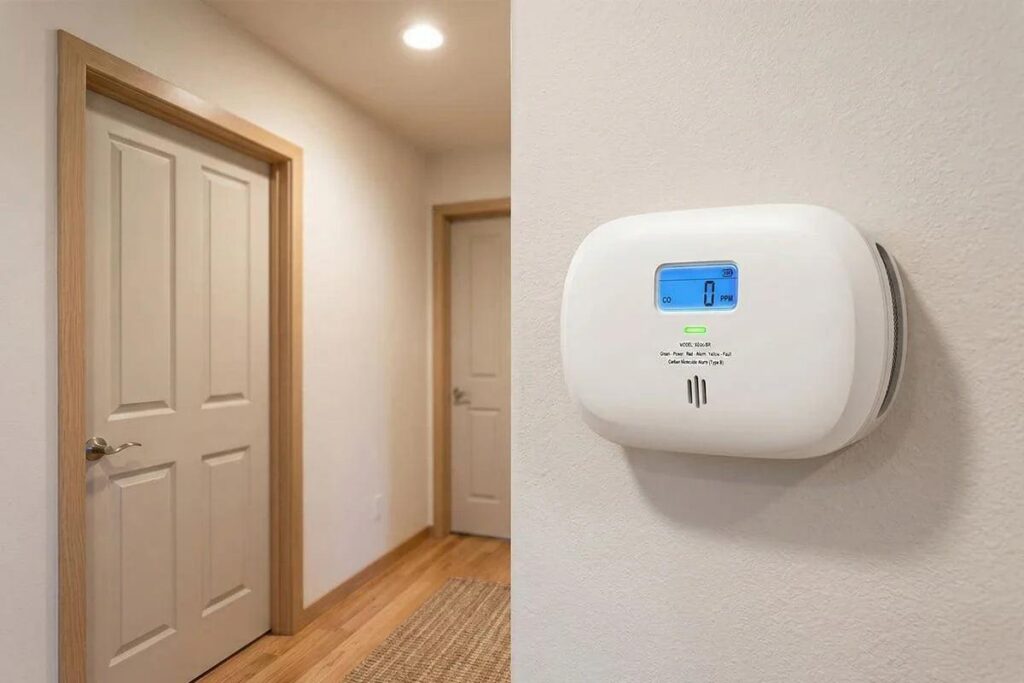
Carbon monoxide poisoning at home is a serious household safety concern because exposure may occur without an obvious warning. Carbon monoxide is an invisible, odorless gas produced when fuels such as natural gas, propane, gasoline, wood, and charcoal do not burn completely. Unlike smoke, carbon monoxide cannot be detected by sight or smell, making it especially dangerous in enclosed spaces.
Common household equipment, including furnaces, water heaters, fireplaces, gas stoves, and portable generators, can produce carbon monoxide. When these appliances malfunction, are improperly ventilated, or are used in unsafe locations, the gas may accumulate indoors.
Carbon monoxide exposure can cause headaches, dizziness, nausea, confusion, loss of consciousness, and potentially fatal poisoning. Recognizing possible sources, installing working alarms, and knowing how to respond to suspected exposure are essential parts of household safety.
Understanding these hazards complements the everyday precautions discussed in our guide to common injuries and how to protect yourself.
What Is Carbon Monoxide Poisoning?
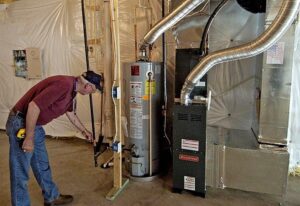 Carbon monoxide poisoning occurs when someone breathes enough carbon monoxide to interfere with the body’s ability to deliver oxygen to vital organs. The gas enters the bloodstream through the lungs and binds to hemoglobin, reducing the blood’s capacity to transport oxygen.
The brain and heart are especially vulnerable to reduced oxygen delivery. Depending on the concentration and duration of exposure, symptoms may develop gradually or become severe within a short period.
The Centers for Disease Control and Prevention identifies carbon monoxide as a poisonous gas that can cause sudden illness and death when inhaled.
People may be exposed while sleeping, working in garages, using fuel-burning equipment, or remaining inside buildings with malfunctioning heating systems. Because the gas has no smell, a household may not realize that dangerous concentrations are present.
Common Sources of Carbon Monoxide in Homes
Carbon monoxide can originate from several familiar appliances and activities. These sources do not automatically make a home unsafe, but improper installation, poor maintenance, blocked ventilation, and incorrect operation may create dangerous conditions.
Gas Furnaces and Heating Systems
Fuel-burning furnaces require proper combustion and ventilation. A damaged heat exchanger, blocked exhaust vent, or other malfunction may allow combustion gases to enter occupied areas.
Heating equipment should be inspected and maintained according to manufacturer instructions and applicable professional recommendations.
Gas Water Heaters
Gas water heaters also produce combustion gases. Improper venting, damaged components, or inadequate airflow may increase the possibility of carbon monoxide entering the home.
Homeowners should not attempt complex repairs involving gas connections or combustion systems without appropriate qualifications.
Fireplaces and Wood-Burning Stoves
Wood-burning fireplaces and stoves can produce carbon monoxide. Blocked chimneys, damaged flues, and insufficient ventilation may interfere with safe exhaust.
Chimneys and heating appliances should be inspected and maintained, particularly before periods of frequent use.
Portable Generators
Portable gasoline-powered generators are a major concern during power outages. Running a generator inside a garage, basement, shed, or home can rapidly create dangerous carbon monoxide concentrations.
Even an open garage door does not make indoor generator operation safe.
Vehicles in Attached Garages
Running a gasoline-powered vehicle inside an attached garage may allow exhaust gases to enter the living space. Carbon monoxide may accumulate even when the garage door is open.
Vehicles should never be left idling inside garages or other enclosed structures.
Charcoal Grills and Outdoor Cooking Equipment
Charcoal grills, camping stoves, and other outdoor cooking devices should never be used inside homes, garages, tents, or enclosed patios unless specifically designed and approved for that environment.
Charcoal can continue producing carbon monoxide even after visible flames have disappeared.
Warning Signs and Symptoms of Carbon Monoxide Poisoning
Carbon monoxide poisoning may resemble other illnesses, including influenza or food poisoning. This makes early recognition challenging, particularly when several people in the same household experience similar symptoms.
Common symptoms may include:
- Headache or pressure in the head
- Dizziness or lightheadedness
- Nausea or vomiting
- Unusual tiredness or weakness
- Confusion or difficulty concentrating
- Chest discomfort
- Shortness of breath
- Loss of consciousness in severe cases
Symptoms may be particularly concerning when they develop indoors, affect multiple occupants, or improve after leaving a building. However, symptoms alone cannot reliably confirm or exclude carbon monoxide poisoning.
According to the U.S. Environmental Protection Agency, exposure can produce a range of health effects, with severity influenced by factors such as concentration and duration.
Who Is Most Vulnerable to Carbon Monoxide Exposure?
Carbon monoxide can harm anyone, but certain groups may be especially vulnerable to its effects.
Infants and Young Children
Children may be more vulnerable to the effects of reduced oxygen delivery. They may also have difficulty describing symptoms such as dizziness, nausea, or confusion.
Older Adults
Older adults may have underlying health conditions that increase the consequences of carbon monoxide exposure. Symptoms such as weakness or confusion may also be mistaken for unrelated medical problems.
Pregnant Individuals
Carbon monoxide exposure during pregnancy requires particular attention because it may affect oxygen delivery to the developing fetus. Suspected exposure warrants prompt medical evaluation.
People With Heart or Respiratory Conditions
Individuals with cardiovascular disease, anemia, or respiratory conditions may experience complications from reduced oxygen availability.
These risks make prevention important for every household, especially when vulnerable family members are present.
Why Carbon Monoxide Exposure Is Difficult to Detect
Unlike many household hazards, carbon monoxide provides no obvious sensory warning. People cannot see it, smell it, or taste it.
Exposure may occur while occupants are sleeping or resting. A person who becomes confused or weak may not recognize the danger or be able to leave without assistance.
Working carbon monoxide alarms are therefore essential. However, alarms should supplement proper appliance maintenance and safe operating practices rather than replace them.
How to Prevent Carbon Monoxide Poisoning at Home
Households can reduce carbon monoxide risks by combining equipment maintenance, safe fuel-burning practices, and reliable detection systems.
Install Carbon Monoxide Alarms
Install carbon monoxide alarms according to local requirements and the manufacturer’s instructions, including near sleeping areas and on appropriate levels of the home.
Test alarms regularly and replace batteries or entire units as directed by the manufacturer. A smoke alarm does not necessarily detect carbon monoxide unless it is specifically designed as a combination alarm.
The U.S. Consumer Product Safety Commission’s Carbon Monoxide Information Center provides guidance on alarms, generators, and other household exposure hazards.
Schedule Appliance Inspections
 Have fuel-burning heating systems, chimneys, and related equipment inspected and serviced by qualified professionals as recommended.
Technicians can identify blocked vents, damaged components, improper connections, and other conditions that may interfere with safe operation.
Exhaust outlets should remain free from obstructions, including debris, leaves, and snow. Blocked vents may interfere with the safe removal of combustion gases.
Do not modify or cover ventilation openings without professional guidance.
Use Portable Generators Outdoors
Generators should operate outdoors, at least 20 feet away from doors, windows, and vents, with exhaust directed away from the building. Follow the manufacturer’s instructions and account for nearby buildings and airflow conditions.
Never run a generator in a garage, even with the door open. The same restriction applies to basements, sheds, and other enclosed or partially enclosed spaces.
Avoid Improvised Indoor Heating
Do not use gas ovens, charcoal grills, camping stoves, or outdoor heaters to warm a home unless the appliance is specifically approved for indoor heating.
Using equipment outside its intended purpose can introduce dangerous combustion gases.
Do Not Idle Vehicles in Garages
Move a vehicle outside before allowing its engine to run. Do not assume that an open garage door provides sufficient protection from exhaust gases.
Carbon Monoxide Safety During Power Outages
Power outages may increase carbon monoxide risks when households turn to generators, portable heaters, and alternative cooking equipment.
Before an outage occurs, identify safe generator placement, inspect carbon monoxide alarms, and prepare emergency lighting and other essential supplies.
The Ready.gov power outage guidance provides preparedness information, including precautions involving generators and alternative power sources.
During an outage, keep generators outdoors and away from occupied structures. Never bring charcoal grills or outdoor cooking appliances inside for warmth or cooking.
If a carbon monoxide alarm sounds, leave the building immediately and contact emergency services from outside.
What to Do If a Carbon Monoxide Alarm Sounds
A carbon monoxide alarm should always be taken seriously. Do not assume it is a false alarm or remain inside to search for the source.
If the alarm activates:
- Move everyone outdoors into fresh air immediately.
- Call emergency services or the fire department from a safe location.
- Tell responders that a carbon monoxide alarm activated.
- Do not reenter the building until emergency personnel confirm that it is safe.
- Arrange for qualified inspection of suspected fuel-burning equipment before using it again.
Do not delay evacuation to open windows, collect belongings, or investigate appliances.
What to Do After Suspected Carbon Monoxide Exposure
Anyone who may have inhaled carbon monoxide should move to fresh air immediately and seek urgent medical guidance. Emergency medical assistance is especially important when symptoms include confusion, chest pain, breathing difficulty, fainting, or loss of consciousness.
Medical professionals may assess exposure using appropriate testing and clinical evaluation. Treatment may involve supplemental oxygen and, in selected serious cases, specialized oxygen therapy.
Do not attempt to diagnose carbon monoxide poisoning using an ordinary fingertip pulse oximeter. Standard pulse oximeters cannot reliably distinguish oxygen-carrying hemoglobin from hemoglobin bound to carbon monoxide.
People should also avoid returning to the exposure location until it has been evaluated and declared safe.
Possible Long-Term Effects of Carbon Monoxide Poisoning
Some individuals recover after treatment, while others may experience lasting complications. Severe poisoning can affect the brain, heart, and nervous system.
Possible longer-term effects may include memory difficulties, concentration problems, changes in mood, movement difficulties, or other neurological symptoms.
Recovery depends on the severity of exposure, the person’s health, and the treatment received. Follow-up care may be necessary even after the immediate symptoms improve.
Medical treatment, missed work, rehabilitation, and changes to everyday activities can also create financial and practical challenges. Our article about the hidden costs of an injury discusses some of these broader consequences.
Creating a Household Carbon Monoxide Safety Plan
A household safety plan should address both prevention and emergency response. Every occupant should know what a carbon monoxide alarm sounds like and where to go if it activates.
Families can review alarm locations, establish an outdoor meeting place, and make sure children understand that they must leave immediately when an alarm sounds.
Keep appliance manuals, maintenance records, and emergency contact information accessible. If a household uses a generator, establish a safe outdoor operating location before an emergency occurs.
Carbon monoxide precautions also complement other household safety measures, including the fire prevention practices discussed in our article about lithium-ion battery fire injuries.
Frequently Asked Questions About Carbon Monoxide Poisoning
Can Carbon Monoxide Poisoning Happen Without a Smell?
Yes. Carbon monoxide is odorless and colorless. People cannot rely on their senses to recognize dangerous concentrations.
Can an Open Window Prevent Carbon Monoxide Poisoning?
An open window does not guarantee safe conditions when a fuel-burning appliance is malfunctioning or being used improperly. Proper ventilation, equipment operation, and carbon monoxide detection are essential.
Can Carbon Monoxide Poisoning Happen in Summer?
Yes. Exposure can occur year-round, including from portable generators, vehicles, fuel-burning equipment, and other sources.
Does a Smoke Detector Detect Carbon Monoxide?
Not necessarily. A smoke detector responds to smoke, while a carbon monoxide alarm detects carbon monoxide. Combination devices are available, but homeowners should verify which hazards their installed alarms detect.
Conclusion
Carbon monoxide poisoning at home is a serious but often preventable danger. Because the gas cannot be seen or smelled, households should not depend on symptoms alone to identify exposure.
Working carbon monoxide alarms, regular maintenance of fuel-burning appliances, safe generator placement, and clear emergency procedures can help reduce the risk.
If an alarm activates or carbon monoxide exposure is suspected, leave the building immediately, contact emergency services, and seek appropriate medical evaluation. Early action may prevent a dangerous situation from becoming more severe.
For more information about household hazards, common injuries, and accident prevention, explore the Injury Insider Blog.