
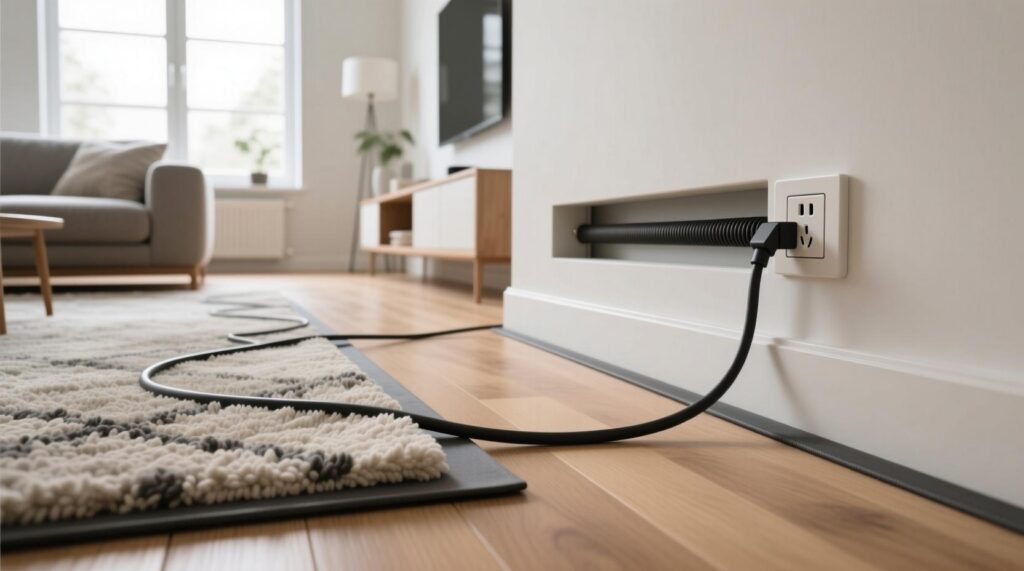
Extension cords are convenient tools for powering lamps, electronics, holiday decorations, outdoor equipment, and temporary workstations. However, improper extension cord use can create serious safety hazards. Damaged insulation, overloaded connections, poorly positioned cords, and exposure to moisture may contribute to electric shocks, burns, fires, and falls.
Extension cord injuries are not limited to electrical accidents. A cord stretched across a hallway may cause someone to trip, while a cord hidden beneath carpeting may overheat without an obvious warning. These hazards can develop in homes, offices, workshops, and outdoor work areas.
Understanding how extension cord accidents happen and recognizing unsafe conditions may help prevent avoidable injuries. These precautions complement the everyday safety measures discussed in our guide to common injuries and how to protect yourself.
Why Can Extension Cords Be Dangerous?
 An extension cord carries electrical current from a wall outlet to a connected device. Its ability to handle that current depends on its construction, wire size, length, condition, and electrical rating.
When a cord carries more current than it is designed to handle, excessive heat may develop. Damaged insulation can expose energized conductors, while loose connections may create additional heating and electrical hazards.
The U.S. Consumer Product Safety Commission identifies several important extension cord safety characteristics, including minimum wire size, adequate strain relief, proper polarization, and appropriate insulation.
Extension cords are intended for temporary use. They should not replace properly installed household wiring or permanent electrical outlets.
Common Causes of Extension Cord Injuries
Many extension cord accidents involve preventable conditions. Understanding these situations can help homeowners and workers identify hazards before someone gets hurt.
Overloaded Extension Cords
Connecting equipment that requires more electrical power than a cord can safely carry may cause overheating. The risk can increase when multiple devices are connected or when a cord is not rated for the intended load.
Appliances such as portable heaters and other high-demand equipment may require direct connection to an appropriate wall outlet rather than an extension cord.
Damaged or Frayed Insulation
Repeated bending, crushing, pulling, and improper storage may damage a cord’s protective insulation. Exposed wiring can create electrical shock and fire hazards.
A cord with cracked insulation, visible wires, damaged plugs, or loose connections should be removed from service.
Cords Placed Across Walkways
An extension cord stretched across a doorway, hallway, or other walking surface may cause someone to trip. The risk may be greater in poorly lit areas or places where people carry objects that obstruct their view.
Falls can cause sprains, fractures, and head injuries. Our article about why slip-and-fall accidents can be serious discusses the potential consequences of unexpected falls.
Using Indoor Cords Outdoors
Indoor extension cords may lack the insulation and protective features required for outdoor conditions. Rain, standing water, sunlight, and physical wear can increase electrical risks.
Outdoor work should involve cords specifically marked for outdoor use and appropriate ground-fault circuit interrupter protection.
Running Cords Under Rugs or Furniture
Covering an extension cord with carpeting, rugs, or heavy furniture may trap heat and damage the cord. The problem may remain unnoticed because the damaged section is hidden.
The Electrical Safety Foundation International recommends keeping extension cords uncovered and avoiding locations where they can become pinched or damaged.
Common Injuries Associated With Extension Cords
Extension cord accidents may result in several types of injuries, depending on the source of the hazard and the circumstances of exposure.
Electrical Shock
Electrical shock occurs when current passes through the body. Contact with exposed wiring, damaged plugs, or energized equipment may cause pain, muscle contractions, burns, or more serious complications.
Severe electrical exposure can interfere with normal heart rhythm, breathing, and nervous system function. Even when an injury appears minor, medical evaluation may be appropriate after an electrical shock.
Electrical Burns
Electrical burns may occur at the points where current enters or exits the body. These injuries can involve damage beneath the skin that is not immediately visible.
Burns may also result from touching overheated plugs, melted insulation, or equipment affected by an electrical malfunction.
Trip-and-Fall Injuries
A person who catches a foot on an extension cord may fall onto furniture, flooring, or nearby objects. Possible injuries include ankle sprains, wrist fractures, shoulder injuries, and head trauma.
Children, older adults, and people with limited mobility may face additional difficulties when cords obstruct frequently used pathways.
Smoke Inhalation and Fire Injuries
Overheated or damaged cords may contribute to electrical fires. People exposed to a resulting fire may experience burns, smoke inhalation, or injuries while evacuating.
Electrical fire prevention is particularly important when cords are used near combustible materials such as curtains, paper, bedding, and upholstered furniture.
Warning Signs of an Unsafe Extension Cord
Some extension cord hazards are visible before an accident occurs. Regular inspection may help identify equipment that should no longer be used.
Potential warning signs include:
- Cracked, frayed, or missing insulation
- Exposed conductors or damaged plugs
- Loose electrical connections
- Discoloration or melted plastic
- Unusual warmth or excessive heat
- Burning odors or visible smoke
- Repeated electrical interruptions
- Damage caused by furniture, doors, or equipment
Stop using a cord that shows signs of overheating or damage. If it is safe to do so, disconnect the power without touching damaged or energized components. Seek qualified assistance when necessary.
Why Extension Cord Overloading Matters
Every extension cord has a maximum electrical capacity. Connecting equipment that exceeds this capacity can cause the wires and connections to heat up.
Consumers should check the cord’s electrical rating and compare it with the power requirements of the connected equipment. Cord length and wire gauge also affect suitability.
Connecting several extension cords together, sometimes called daisy chaining, can create additional hazards and should be avoided.
The CPSC extension cord safety alert explains that overloaded and damaged extension cords can overheat and contribute to fires.
How to Use Extension Cords Safely
Safe extension cord use begins with choosing appropriate equipment and keeping the surrounding area free from hazards.
Choose the Correct Cord
Select an extension cord that is properly rated for the connected equipment and intended environment. Outdoor activities require cords specifically designed for outdoor use.
Look for products evaluated by recognized independent testing organizations and follow the manufacturer’s instructions.
Inspect Before Every Use
Check the cord, plug, and receptacle for cracks, exposed wires, discoloration, or other damage. Replace defective cords rather than continuing to use them.
Keep Cords Away From Walkways
Route temporary cords away from doors, stairs, and areas where people frequently walk. If a cord creates a trip hazard, reconsider the equipment location or use an appropriate electrical outlet closer to the device.
Avoid Covering Cords
Never run extension cords under carpets, rugs, or heavy furniture. Do not pass them through walls, ceilings, or floors as substitutes for permanent wiring.
Keep Electrical Connections Dry
Do not place cords or connections in standing water. Use appropriate ground-fault circuit interrupter protection when working outdoors or in potentially damp locations.
 Do Not Remove Grounding Prongs
Never remove the third prong from a grounded plug to make it fit an incompatible outlet. This defeats an important electrical safety feature.
Unplug Cords When Not Needed
Extension cords should be disconnected and stored when temporary use is complete. Avoid leaving unused cords connected for extended periods.
The Electrical Safety Foundation International’s home electrical safety guidance provides additional recommendations for selecting and maintaining extension cords.
Extension Cord Safety During Holiday Decorating
Holiday decorations often involve temporary lighting, illuminated displays, and multiple electrical connections. These arrangements may increase the number of cords used throughout a home.
Before installing decorations, inspect all cords and lighting equipment. Use outdoor-rated products for exterior displays and follow the manufacturer’s connection limits.
Keep cords away from doors, walkways, water, and combustible decorations. Avoid connecting extension cords to one another to reach distant outlets.
Temporary holiday lighting should be removed and stored properly after the season rather than becoming a permanent electrical installation.
Extension Cord Hazards in Workplaces
Offices, warehouses, construction sites, and workshops may use extension cords for temporary equipment. Poor cord placement can create trip hazards, while damaged insulation or improper connections can expose workers to electrical risks.
Employers should evaluate electrical equipment, maintain safe walking surfaces, and ensure workers understand appropriate cord use.
The Occupational Safety and Health Administration provides electrical safety resources covering workplace hazards and protective measures.
For additional workplace injury prevention information, see our article about workplace injuries and employee safety.
What to Do After an Extension Cord Accident
The appropriate response depends on whether the accident involves electrical shock, fire, or a fall.
If someone is in contact with an energized electrical source, do not touch them until the power has been safely disconnected. Contact emergency services immediately when there is a serious electrical injury, loss of consciousness, breathing difficulty, chest pain, or another life-threatening condition.
For electrical burns or suspected internal injury, seek prompt medical evaluation. Electrical damage may be more extensive than the visible skin injury suggests.
After a fall, avoid unnecessary movement when a serious head, neck, or spinal injury is suspected. Seek emergency assistance for severe symptoms.
If a cord is smoking or burning, evacuate when necessary and contact the fire department. Do not use water on energized electrical equipment.
When Should You Replace an Extension Cord?
An extension cord should be replaced when its insulation, plug, receptacle, or internal wiring is damaged. Cords that repeatedly become hot or show signs of melting should not remain in service.
Consumers should also replace cords that are unsuitable for their intended use, such as indoor cords being used outdoors or cords with insufficient electrical capacity.
Do not attempt makeshift repairs using ordinary tape to cover damaged insulation. Replace the defective product with a properly rated cord.
Frequently Asked Questions About Extension Cord Safety
Can Extension Cords Cause Fires?
Yes. Damaged, overloaded, or improperly installed extension cords may overheat and contribute to electrical fires.
Is It Safe to Leave an Extension Cord Plugged In?
Extension cords are intended for temporary use. Disconnect them when they are no longer needed and avoid using them as permanent household wiring.
Can Extension Cords Be Used Outdoors?
Yes, when they are specifically rated for outdoor use and appropriate for the connected equipment. Electrical connections should be protected from moisture, and suitable ground-fault circuit interrupter protection should be used.
Is It Safe to Connect Two Extension Cords Together?
Connecting extension cords together is not recommended. Use one appropriately rated cord of sufficient length or arrange for a suitable electrical outlet.
Can a Small Electrical Shock Be Dangerous?
Yes. The effects of an electrical shock depend on several factors, including the current path through the body and the duration of contact. Seek medical guidance after an electrical shock, especially if symptoms occur.
Conclusion
Extension cords provide convenient temporary access to electricity, but improper use can lead to electrical shocks, burns, fires, and trip-and-fall injuries.
Choosing properly rated cords, inspecting equipment, avoiding overloads, keeping cords away from walkways, and replacing damaged products may reduce preventable hazards.
When an extension cord repeatedly overheats or becomes necessary for permanent use, consider having a qualified electrician evaluate the available outlets and electrical system.
For more educational information about accident prevention and common injuries, explore the Injury Insider Blog.