
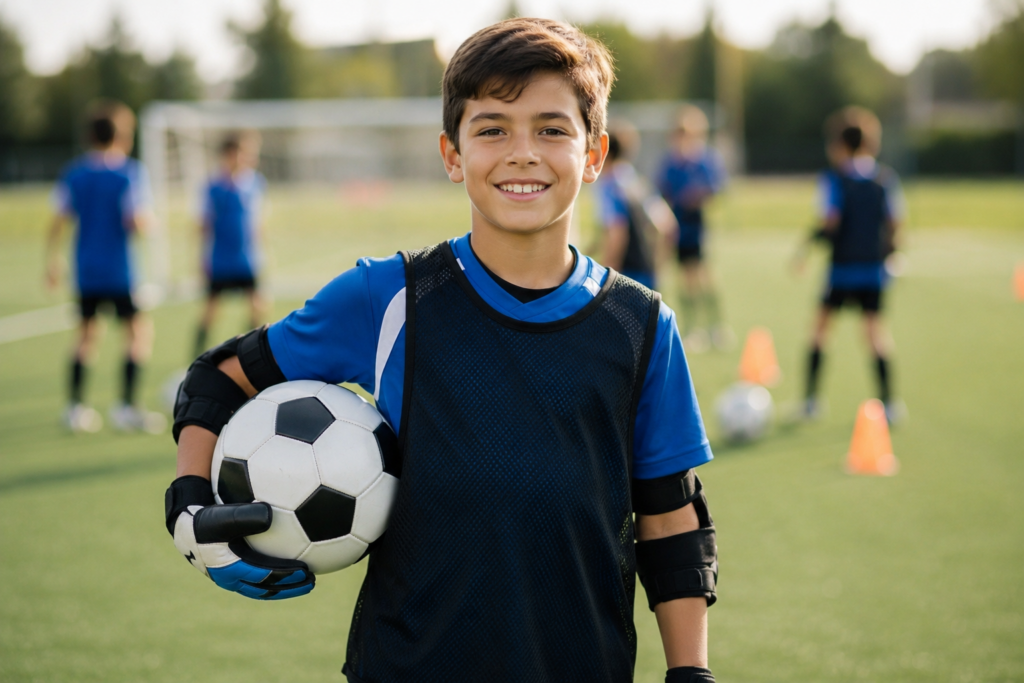
Youth sports provide physical activity, teamwork, discipline, and social development for millions of children each year. From football and soccer to basketball, hockey, and cheerleading, sports may help young athletes build confidence and healthy habits. However, sports participation also comes with injury risks, including concussions. A concussion is a type of traumatic brain injury that may happen after a blow to the head or a sudden movement that causes the brain to shift inside the skull.
Concussions in youth sports have received growing attention in recent years because of their possible short-term and long-term effects. While some athletes recover quickly, others may experience lingering symptoms that affect school, sports participation, and daily activities. Understanding concussion risks, warning signs, prevention strategies, and recovery steps may help parents, coaches, and athletes respond more effectively.
Sports injuries are discussed frequently in our article on Top 7 Most Common Injuries and How to Protect Yourself, where repetitive strain, fractures, and head injuries are among the most common concerns seen in active lifestyles.
What Is a Concussion?
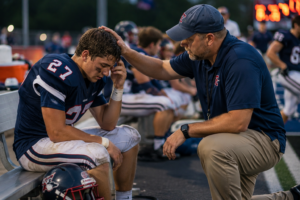 A concussion is considered a mild traumatic brain injury, but the effects may still be serious. According to the Centers for Disease Control and Prevention, concussions may happen after direct contact to the head or from rapid body movement that causes the brain to move forcefully inside the skull.
Contrary to popular belief, a person does not need to lose consciousness to suffer a concussion. Symptoms may appear immediately or develop hours later. Young athletes may not always recognize symptoms themselves, which is why parents, coaches, and teammates should stay alert after collisions or falls.
Sports With Higher Concussion Risks
Concussions may occur in nearly any sport, but some activities involve higher risks because of contact, collisions, or falls.
Football
Football consistently reports high concussion rates because of tackling and repeated impacts during practices and games.
Soccer
Soccer players may experience concussions from player collisions, falls, or heading the ball repeatedly.
Hockey
Fast movement, physical contact, and collisions with boards or other players increase concussion risks in hockey.
Basketball
Although basketball is not traditionally considered a collision sport, accidental elbows, falls, and player contact may still lead to head injuries.
Cheerleading and Gymnastics
Falls during stunts or routines may cause head trauma and concussions in these activities.
The National Federation of State High School Associations provides additional information regarding concussion awareness in school athletics.
Common Signs and Symptoms of a Concussion
Recognizing concussion symptoms early may help prevent additional injury. Symptoms may vary depending on the athlete and the severity of the impact.
Physical Symptoms
- Headache
- Dizziness
- Nausea or vomiting
- Sensitivity to light or noise
- Balance problems
- Blurred vision
Cognitive Symptoms
- Confusion
- Memory problems
- Difficulty concentrating
- Feeling mentally foggy
Emotional Symptoms
- Irritability
- Anxiety
- Mood changes
- Sadness
Sleep-Related Symptoms
- Sleeping more than usual
- Trouble falling asleep
- Fatigue
If a young athlete displays these symptoms after a hit or fall, they should stop playing immediately and be evaluated by a medical professional. The Mayo Clinic explains that repeated impacts before full recovery may increase the risk of complications.
Why Youth Athletes May Be More Vulnerable
Children and teenagers may face greater concussion risks because their brains are still developing. Recovery may also take longer compared to adults. Returning to sports too soon may increase the possibility of another concussion before the brain has healed properly.
Young athletes may also underreport symptoms because they want to continue playing or avoid disappointing teammates and coaches. Creating a sports culture that prioritizes safety over competition may help reduce these situations.
Our article on Workplace Injuries: What Every Employee Needs to Know similarly discusses how repetitive strain and ignored symptoms may lead to larger health problems when warning signs are overlooked.
How Concussions May Be Prevented
 Not all concussions can be prevented, but several safety measures may help reduce risks in youth sports.
Proper Protective Equipment
Helmets and mouthguards may help reduce certain injuries, although no helmet can completely eliminate concussion risk. Equipment should fit properly and meet safety standards.
The U.S. Consumer Product Safety Commission offers sports safety guidance for children and families.
Teaching Proper Technique
Coaches may help reduce dangerous play by teaching safe tackling, heading, landing, and body positioning techniques.
Limiting Repetitive Head Impacts
Some leagues have reduced contact practices and limited heading drills to help decrease repeated impacts.
Encouraging Honest Reporting
Young athletes should understand that reporting symptoms is part of staying healthy, not a sign of weakness.
What To Do After a Suspected Concussion
If a concussion is suspected, the athlete should be removed from play immediately. Continuing to play while symptomatic may increase injury risks.
Seek Medical Evaluation
A healthcare provider may assess symptoms, cognitive function, balance, and neurological responses.
Prioritize Rest
Physical and mental rest may support recovery. This may include reducing screen time, limiting intense activity, and avoiding sports temporarily.
Follow Return-To-Play Guidelines
The athlete should only return to sports after medical clearance and gradual symptom-free progression through activity stages.
The National Health Service explains that concussion recovery varies from person to person, and symptoms should be monitored carefully.
Long-Term Concerns and Repeated Concussions
Repeated concussions may increase the risk of ongoing headaches, memory problems, mood changes, and cognitive difficulties. While researchers continue studying long-term outcomes, experts generally agree that repeated brain injuries should be taken seriously.
This is similar to concerns discussed in The Hidden Costs of an Injury: What Most People Overlook, where injuries may affect physical health, emotional well-being, school performance, and everyday life long after the original incident.
Creating a Safer Sports Environment
Parents, coaches, schools, and sports organizations all play a role in reducing concussion risks. Open communication, education, safe coaching techniques, and proper medical response may help create a safer environment for young athletes.
Sports participation still offers many physical and emotional benefits. The goal is not to discourage participation but to encourage awareness and safer practices that may reduce unnecessary risks.
Conclusion
Concussions remain an important issue in youth sports because head injuries may affect young athletes both immediately and over time. Understanding symptoms, responding quickly after impacts, using proper equipment, and supporting safe recovery practices may help reduce complications. Parents, coaches, and athletes who stay informed may be better prepared to recognize warning signs and prioritize long-term health.
For more injury prevention and safety topics, visit our Blog section for additional articles and updates.