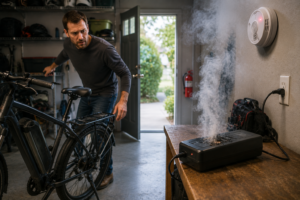

Pressure washers make outdoor cleaning easier by removing dirt, mold, mud, and other buildup from driveways, patios, fences, vehicles, and equipment. These machines are commonly used by homeowners, maintenance workers, contractors, and professional cleaning crews. However, the powerful water stream that makes pressure washing effective can also cause serious injuries when equipment is used incorrectly.
Pressure washer injuries may involve deep tissue damage, cuts, eye injuries, chemical exposure, falls, electrical hazards, and other complications. One particularly dangerous type of injury occurs when pressurized water penetrates the skin. The resulting wound may look small even when deeper tissues have been damaged.
Understanding these risks can help people recognize dangerous situations, use appropriate protective equipment, and respond quickly when an accident happens. Like other everyday hazards discussed in our guide to common injuries and prevention, pressure washer accidents demonstrate why proper preparation matters.
Why Pressure Washers Can Be Dangerous
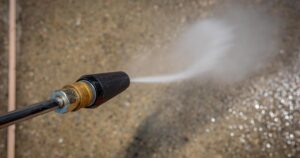 A pressure washer uses a motor or engine to force water through a specialized nozzle. The narrow stream can remove stubborn dirt from hard surfaces, but the same concentrated force may penetrate skin or send debris flying.
Unlike an ordinary garden hose, a pressure washer can produce enough force to damage tissue. The level of risk depends on the equipment, nozzle, operating pressure, distance from the surface, and duration of exposure.
According to the Centers for Disease Control and Prevention, high-pressure spray can cause wounds that initially appear minor but may lead to serious complications, including infection, disability, or amputation.
Pressure washers also introduce hazards unrelated to direct water contact. Wet walking surfaces may become slippery, electrical equipment may be exposed to water, and gasoline-powered machines may produce dangerous exhaust gases.
How Pressure Washer Injuries Happen
Many pressure washer accidents occur during ordinary cleaning activities rather than unusual or complicated operations. A brief lapse in attention, equipment failure, or unexpected movement of the spray wand may result in an injury.
Accidental Contact With the Water Jet
One common hazard occurs when the operator accidentally directs the spray toward a hand, foot, or leg. This may happen while repositioning the wand, adjusting the nozzle, or attempting to clean a difficult area.
Protective clothing does not guarantee that high-pressure water cannot penetrate the skin. Even sturdy footwear may offer insufficient protection against a concentrated jet.
Trying to Clean Hands or Clothing
A pressure washer should never be used to remove dirt from a person’s skin, shoes, or clothing while they are being worn. The spray may cause significant tissue damage even when it is directed at the body for only a short time.
Equipment Malfunctions
Damaged hoses, loose fittings, worn seals, or defective connections may release pressurized water unexpectedly. Attempting to inspect or repair a leaking hose while the system is pressurized can expose the operator to a dangerous fluid jet.
Before use, operators should inspect the equipment and follow the manufacturer’s procedures for shutting down and releasing pressure.
Slips and Falls
Pressure washing often creates wet surfaces, puddles, and slippery runoff. A person working on an uneven driveway, deck, or patio may lose balance while handling the equipment.
These hazards are similar to those discussed in Why Slip and Fall Accidents Are More Serious Than You Think, particularly when a fall involves a hard surface or unexpected loss of footing.
Flying Debris
The powerful water stream may dislodge gravel, paint fragments, loose materials, or other debris. These objects can strike the operator or nearby people, potentially causing eye injuries, cuts, and bruises.
Common Types of Pressure Washer Injuries
Pressure washer accidents can produce several different injuries. Some are immediately obvious, while others may be more difficult to recognize without medical evaluation.
High-Pressure Injection Injuries
High-pressure injection injuries occur when a concentrated jet forces water or another substance beneath the skin. Although the entry wound may appear small, the injected material can spread into surrounding tissues.
These injuries may damage blood vessels, nerves, muscles, tendons, and other structures. Swelling, increasing pain, numbness, and reduced movement may develop after the initial accident.
A published medical case report involving a pressure washer injury to a finger describes how a small puncture wound was associated with symptoms requiring rapid emergency evaluation and specialist involvement.
Any suspected high-pressure injection injury requires immediate emergency medical evaluation, even when the wound looks minor.
Cuts and Lacerations
Direct exposure to high-pressure water may tear the skin and damage underlying tissue. The severity depends on the force of the spray, the location of contact, and the presence of debris or chemicals.
Eye Injuries
Water, cleaning solutions, and flying particles may strike the eyes. Injuries can involve irritation, corneal damage, or more serious trauma affecting vision.
Appropriate protective eyewear is important because ordinary prescription glasses may not provide adequate protection against flying debris and splashes.
Sprains, Fractures, and Fall Injuries
Slipping on wet pavement or losing balance while operating the equipment may cause ankle sprains, wrist injuries, fractures, or head trauma. The consequences may be more serious when someone falls from a ladder or elevated platform.
 Chemical Burns and Irritation
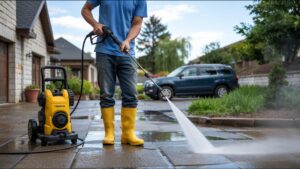
Some pressure washing projects involve detergents, degreasers, or other cleaning agents. These substances may irritate the skin, eyes, or respiratory system, depending on their ingredients and concentration.
Cleaning chemicals should be used according to their labels and safety instructions. Products should never be mixed unless the manufacturer specifically permits it.
Why Small Pressure Washer Wounds Can Be Serious
One of the most dangerous misconceptions about pressure washer injuries is that a small visible wound means the injury is minor.
When pressurized water penetrates the skin, it may travel beneath the surface and affect tissues that are not visible. The injury may initially resemble a small puncture, but swelling and tissue damage can develop over time.
The United Kingdom’s Health and Safety Executive explains that high-pressure fluid injection can cause serious underlying damage and requires prompt medical attention.
Anyone who experiences direct skin penetration from a pressure washer should explain the mechanism of injury to the treating medical professional. Mentioning that the wound was caused by high-pressure equipment can help clinicians recognize the possibility of deeper damage.
Electrical Hazards During Pressure Washing
Water and electricity create additional safety concerns. Electric pressure washers may expose users to electrical hazards if cords, outlets, connections, or equipment components are damaged or improperly used.
Operators should use properly grounded equipment and follow the manufacturer’s electrical safety instructions. Electrical connections should be kept away from standing water and runoff.
The CDC recommends testing the ground-fault circuit interrupter before using an electric pressure washer and using appropriate electrical connections designed for the environment.
Never use a pressure washer to spray electrical outlets, power lines, damaged wiring, or energized equipment.
Carbon Monoxide Risks From Gas-Powered Washers
Gasoline-powered pressure washers introduce another serious hazard: carbon monoxide exposure.
Carbon monoxide is an odorless, colorless gas produced by fuel-burning engines. It can accumulate in enclosed or partially enclosed spaces and cause poisoning.
Gas-powered pressure washers should never be operated inside homes, garages, basements, sheds, or other enclosed areas. Position the engine outdoors and away from doors, windows, vents, and air intakes according to applicable safety guidance.
Symptoms of carbon monoxide poisoning may include headache, dizziness, nausea, weakness, confusion, and loss of consciousness. Anyone who suspects exposure should move to fresh air and seek emergency medical assistance.
Pressure Washer Safety Tips
Reducing pressure washer injuries begins before the equipment is turned on. Preparation, protective equipment, and careful operating practices can help address several common hazards.
Read the Equipment Manual
Pressure washers vary in their operating pressure, nozzle types, controls, and maintenance requirements. Users should understand the equipment’s instructions before beginning a cleaning project.
Wear Appropriate Protective Equipment
Protective eyewear, sturdy footwear, long pants, and other manufacturer-recommended protective gear may help reduce exposure to debris and incidental hazards. Hearing protection may also be appropriate for noisy equipment.
The University of Kentucky’s pressure washer safety guidance emphasizes protective equipment, secure footing, and maintaining control of the spray wand.
Inspect the Hose and Connections
Look for damaged hoses, cracks, leaks, loose fittings, and worn components. Do not use equipment with visible defects until the necessary repairs have been completed.
Keep the Spray Away From People
Never point the wand toward yourself, another person, or an animal. Keep bystanders, children, and pets outside the work area.
Maintain Stable Footing
Choose a stable position before spraying. Avoid overreaching, walking backward without checking the path, or standing on slippery surfaces.
For elevated cleaning projects, consider manufacturer-approved extension equipment or professional assistance rather than operating a pressure washer from an unstable ladder.
Choose the Correct Nozzle
Different nozzles produce different spray patterns. A concentrated jet may create greater risk of surface damage and injury than a wider spray pattern.
Follow the manufacturer’s recommendations for the cleaning task and avoid placing the nozzle unnecessarily close to the surface.
Release Pressure Before Adjustments
Turn off the equipment and follow the manufacturer’s depressurization instructions before changing accessories, inspecting connections, or performing maintenance.
Never attempt to locate a pressurized leak with your hand.
Pressure Washer Safety in the Workplace
Pressure washers are also used in construction, vehicle maintenance, agriculture, commercial cleaning, and industrial operations. Employees may face additional hazards when cleaning machinery, working near traffic, or handling chemical products.
Employers should provide appropriate training, equipment maintenance, protective gear, and procedures for identifying hazards before work begins.
A workplace pressure washing safety resource hosted by the CDC highlights equipment inspection, hazard assessment, personal protective equipment, electrical safety, and avoiding slippery surfaces.
For related information, see our article about workplace injuries and employee safety.
What to Do After a Pressure Washer Injury
The appropriate response depends on the type and severity of the injury. However, high-pressure injection wounds should always be treated as medical emergencies.
Stop the equipment, move away from the hazard, and seek emergency medical care if the spray has penetrated the skin. Do not assume that a small wound is harmless or wait for significant swelling before seeking treatment.
For other injuries, emergency medical assistance may be necessary when a person experiences severe bleeding, eye trauma, breathing difficulties, loss of consciousness, or suspected fractures.
Do not attempt to squeeze, cut open, or otherwise manipulate a suspected injection wound. A medical professional may need to evaluate the injury using imaging, specialist consultation, and other treatment measures.
Documenting an Accident and Its Effects
After immediate safety and medical needs have been addressed, accurate documentation may help a person understand what happened and organize relevant information.
Depending on the circumstances, useful records may include photographs of the equipment, the location of the accident, maintenance information, product instructions, medical records, and details about any witnesses.
Documentation should never delay emergency treatment or require someone to approach unsafe equipment.
Injuries may also create expenses beyond the initial medical visit. Our article on the hidden costs of an injury explores how recovery, missed work, and daily limitations may affect an injured person’s life.
Conclusion
Pressure washers are useful cleaning tools, but their powerful spray can cause serious injuries when used improperly. High-pressure injection wounds are especially concerning because they may look minor while causing substantial damage beneath the skin.
Eye injuries, falls, electrical hazards, chemical exposure, and carbon monoxide poisoning are additional risks that users should understand.
Reading equipment instructions, inspecting hoses and fittings, wearing appropriate protective gear, keeping bystanders away, and maintaining stable footing may help reduce preventable accidents.
Anyone who experiences a suspected high-pressure injection injury should seek emergency medical evaluation immediately.
For more educational articles about common injuries and accident prevention, explore the Injury Insider Blog.