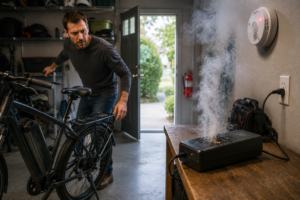

The Increasing Frequency of E-Scooter Injuries: Key Causes and How to Prevent Them
Electric scooters (e-scooters) have taken urban transportation by storm, offering a convenient and eco-friendly alternative to traditional vehicles. However, as their popularity grows, so do the number of injuries associated with them. E-scooter injuries are becoming a significant concern, with various causes ranging from poor infrastructure to rider inexperience. In this post, we’ll explore the most common causes of e-scooter injuries, highlight the risks involved, and offer practical tips on how to prevent these accidents.
Why Are E-Scooter Injuries on the Rise?
 The rapid adoption of e-scooters has led to an increase in accidents, especially in densely populated cities where they are often used for short commutes. While e-scooters offer numerous benefits such as reducing traffic congestion and providing an affordable transport option, there are several reasons why their use is linked to rising injury rates. These are similar to common injuries seen in slip and fall accidents or common injuries.
1. Increased Usage
The most obvious reason for the increase in injuries is simply the fact that more people are using e-scooters. According to studies, the number of e-scooter rentals has skyrocketed over the past few years, especially in large urban centers. With more riders on the roads, the likelihood of accidents naturally increases. This surge in popularity means that both novice and experienced riders share the roads, often without the necessary skills or awareness of the dangers involved.
2. Lack of Regulation
While some cities have implemented rules for e-scooter use, others still lack comprehensive regulations. The absence of standardized safety measures, such as speed limits, designated e-scooter lanes, or helmet requirements, contributes to a higher incidence of injuries. Riders may be unaware of how to safely operate their scooters or may ignore basic safety guidelines, leading to more frequent accidents. You can find more information about e-scooter laws from sources like CDC’s Motor Vehicle Safety Page.
3. Inadequate Infrastructure
In many cities, infrastructure hasn’t kept pace with the growing demand for e-scooters. Poor road conditions, lack of bike lanes, and sidewalks that aren’t properly maintained increase the risk of accidents. Riders often have to navigate potholes, debris, and other obstacles, making it difficult to maintain control of their e-scooters. For more on the infrastructure challenges cities face, check out this article on PBS NewsHour about infrastructure challenges.
Common Types of E-Scooter Injuries
Injuries caused by e-scooter accidents can range from minor cuts and bruises to severe trauma. Below are the most common types of injuries sustained by e-scooter riders:
1. Head Injuries
Head injuries are the most serious type of injury associated with e-scooter accidents. A fall or collision can lead to concussions, skull fractures, or even traumatic brain injuries (TBI). These injuries are often life-threatening and can result in long-term physical and mental disabilities. While wearing a helmet can reduce the severity of head injuries, many e-scooter riders neglect to wear one, increasing the risk of serious harm. The CDC’s Heads Up Program offers useful resources on concussion prevention.
2. Fractures and Broken Bones
Fractures are another common consequence of e-scooter accidents, particularly in the arms, wrists, and legs. When a rider falls from the scooter, they often instinctively put out their hands to break the fall, which can lead to broken wrists, arms, or even clavicle fractures. Broken bones can take weeks or even months to heal, depending on the severity of the injury. You can read more on fracture treatment at Mayo Clinic’s Broken Bone Page.
3. Road Rash and Lacerations
Riders who are thrown from their e-scooters often experience road rash, which is a painful abrasion of the skin caused by friction against the road surface. In more severe cases, riders may also suffer from lacerations that require stitches or even surgery to repair. These injuries are typically not life-threatening but can cause permanent scarring and may result in infections if not properly treated. For tips on preventing road rash, see the American Academy of Dermatology’s Guide to Wound Care.
4. Sprains and Strains
Sprains and strains, especially in the ankle, knee, and wrist, are common in e-scooter accidents. These injuries occur when the body is forced into unnatural positions during a fall or collision. While not as severe as fractures, sprains and strains can still require time off work and physical therapy for recovery. You can read more on sprains and strains at Healthline’s Sprains and Strains Guide.
Preventing E-Scooter Injuries: Safety Tips for Riders
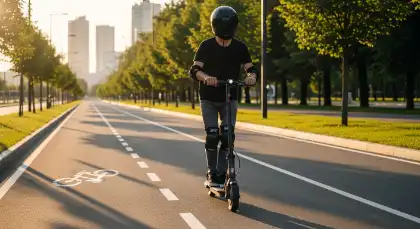 While e-scooter accidents can happen, many injuries are preventable if riders follow basic safety guidelines. Here are some essential tips for minimizing the risk of injury while riding an e-scooter:
1. Always Wear Protective Gear
The most effective way to reduce the severity of injuries is by wearing appropriate protective gear. Helmets are especially important, as they can prevent or minimize the impact of head injuries. In addition to a helmet, riders should consider wearing knee pads, elbow pads, and wrist guards, particularly for beginners. These precautions can significantly reduce the risk of fractures, abrasions, and road rash. The CPSC’s Safety Guide for Bicycles and Scooters highlights the importance of protective gear.
2. Be Aware of Your Surroundings
Riders should always be aware of their environment and anticipate potential hazards. Look out for pedestrians, other vehicles, and obstacles in the path. Avoid distracted riding, such as texting or using a phone, as this can divert attention away from the road and increase the risk of accidents. Learn more about staying focused while riding from the National Highway Traffic Safety Administration (NHTSA).
3. Follow Traffic Rules
In many cities, e-scooter riders are subject to the same traffic laws as cyclists. Riders should follow posted speed limits, yield to pedestrians, and always use designated bike lanes when possible. Adhering to traffic laws not only promotes rider safety but also prevents legal issues that may arise from violations. For more on local e-scooter regulations, check your city’s guidelines or visit USA.gov’s State Traffic Laws Page.
4. Inspect Your E-Scooter Before Riding
Before every ride, check your e-scooter for any mechanical issues. Make sure the tires are properly inflated, the brakes are functioning well, and the battery is sufficiently charged. An e-scooter with faulty brakes or tires can lead to serious accidents, so regular maintenance is essential for rider safety. If you need e-scooter repair tips, visit Electric Scooter Insider for a comprehensive guide.
5. Avoid Riding in Hazardous Conditions
Weather conditions play a significant role in the safety of e-scooter riding. Avoid riding in rainy, snowy, or icy conditions, as these can make the ground slippery and increase the chances of falling. Similarly, riding at night or in poorly lit areas can make it difficult to see hazards, increasing the likelihood of an accident. For weather-related riding tips, check out the National Weather Service website for current conditions.
What to Do if You’re Involved in an E-Scooter Accident
Even with precautions, accidents can still occur. If you are involved in an e-scooter crash, it’s important to take the following steps:
- Seek Immediate Medical Attention: Even if you feel fine, it’s essential to seek medical attention after an accident. Some injuries, such as concussions or internal injuries, may not be immediately visible.
- Document the Scene: If you are able, take photos of the accident scene, including your e-scooter, any visible injuries, and the surrounding area. This documentation can be crucial for insurance claims or legal purposes.
- File a Police Report: For serious accidents, file a report with local authorities. This will ensure that the incident is properly documented and may help in pursuing any legal claims.
- Contact an Attorney: If you suffer significant injuries or if the accident involves other parties (such as a car), it’s a good idea to contact a personal injury attorney. They can help you understand your legal options and guide you through the claims process.
Conclusion: Ride Safely and Responsibly
E-scooters offer a fun and convenient way to travel, but they come with inherent risks. By taking the necessary precautions and following safety guidelines, riders can reduce the likelihood of accidents and enjoy the benefits of e-scooter transportation safely. Remember, whether you’re a seasoned rider or new to e-scooting, always wear protective gear, be aware of your surroundings, and ride responsibly.
For more information on injury prevention, check out our Injury Prevention section for helpful tips.